Eating is one of the most basic human activities, yet it’s often surrounded by confusion, rules, trends, and conflicting advice. From calorie counting to detox diets, many people forget that eating well doesn’t have to be complicated. At its core, knowing how to eat is about understanding your body, choosing nourishing foods, and building habits that are sustainable for everyday life.
This guide breaks down how to eat in a balanced, mindful, and practical way—without extremes or rigid rules.
1.How to Eat : Unders tand Why You Eat
Eating serves several purposes. It fuels your body with energy, provides nutrients for growth and repair, supports brain function, and even plays a role in emotional and social well-being. When eating becomes only about restriction or appearance, it’s easy to lose sight of these essential functions.
A healthy approach to eating starts with intention. Ask yourself:
- Am I eating for energy?
- Am I eating because I’m hungry?
- Am I eating for enjoyment or connection?
There’s room for all of these. The key is awareness, not guilt.
2. How to Eat : Build a Balanced Plate
One of the simplest ways to eat well is to aim for balance. A balanced meal generally includes:
- Carbohydrates: Provide energy. Choose whole grains, fruits, vegetables, and legumes when possible.
- Proteins: Support muscle repair and satiety. Sources include beans, lentils, eggs, fish, poultry, tofu, dairy, and lean meats.
- Healthy fats: Aid nutrient absorption and brain health. Found in nuts, seeds, avocados, olive oil, and fatty fish.
- Fiber-rich foods: Help digestion and keep you full longer. Vegetables, fruits, whole grains, and legumes are excellent sources.
You don’t need perfect proportions at every meal. Over time, variety and balance matter more than precision.
3. How to Eat : According to Hunger and Fullness
Listening to your body is an underrated skill. Many people eat based on the clock, emotions, or habit rather than hunger. Learning to recognize physical hunger cues—such as low energy, stomach growling, or difficulty concentrating—can improve your relationship with food.
Similarly, noticing when you’re comfortably full helps prevent overeating. Eating slowly, without distractions, allows your body time to signal fullness. You don’t have to finish everything on your plate if you’re no longer hungry.
4.How to Eat : Choose Whole Foods More Often
Whole foods are foods that are close to their natural state and minimally processed. These include vegetables, fruits, whole grains, nuts, seeds, eggs, and fresh proteins. They tend to be more nutrient-dense and satisfying.
This doesn’t mean processed foods are forbidden. It means whole foods should form the foundation of your diet, while more processed items can be enjoyed occasionally and intentionally.
5. How to Eat : Don’t Fear Carbohydrates or Fats
Diet culture often labels entire food groups as “bad,” but this approach is neither accurate nor helpful. Carbohydrates are the body’s primary energy source, and fats are essential for hormone production and brain health.
The focus should be on quality, not elimination. Whole grains are different from refined sugars. Unsaturated fats are different from trans fats. Understanding these distinctions leads to better choices without unnecessary restriction.
6. How to Eat : Stay Hydrated
Eating well isn’t only about food. Water plays a crucial role in digestion, circulation, temperature regulation, and nutrient transport. Mild dehydration can feel like hunger or fatigue, leading to overeating.
Drinking water regularly throughout the day supports overall health. While needs vary, paying attention to thirst, urine color, and energy levels is a practical way to stay hydrated.
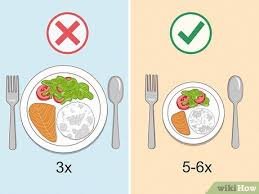 7. How to Eat : Eat Mindfully
Mindful eating means being present while you eat. It involves noticing flavors, textures, and how food makes you feel. Eating in front of screens or while multitasking can disconnect you from your body’s signals.
Practicing mindfulness at meals can:
- Improve digestion
- Increase satisfaction
- Reduce overeating
- Strengthen awareness of hunger and fullness
You don’t need to be perfect. Even one mindful meal a day can make a difference.
8.How to Eat : Respect Cultural and Personal Preferences
How you eat is shaped by culture, traditions, values, and access to food. There is no single “right” way to eat that fits everyone. A healthy diet can look very different depending on where you live, what foods are available, and what you enjoy.
Sustainability matters. The best way to eat is one you can maintain long term while honoring your preferences and lifestyle.
9.How to Eat : Avoid Extremes and Quick Fixes
Diets that promise rapid results often rely on restriction and are difficult to sustain. Extreme approaches can damage metabolism, increase stress, and lead to cycles of overeating and guilt.
Instead of chasing perfection, aim for consistency. Small, realistic changes—like adding more vegetables, cooking at home more often, or eating more regularly—are far more effective over time.
10. How to Eat : Make Eating a Positive Experience
Food is not just fuel; it’s also pleasure, culture, and connection. Enjoying meals with others, trying new recipes, and allowing yourself to eat foods you love all contribute to a healthier relationship with food.
When eating becomes a source of stress, it’s worth stepping back and simplifying. Eating well should support your life, not control it.


